
The adoption process for rescue Collies can feel mysterious or even frustrating if you do not know what to expect. I have walked alongside hundreds of adopters through this journey, from initial application to the moment they meet their new dog at a transport handoff. The process exists to protect dogs and ensure successful placements, but it helps to understand each step so you know what is coming and how to prepare.
The Typical Timeline
From submitting your first application to bringing a dog home, expect anywhere from two weeks to several months. The timeline depends on how quickly the right match becomes available, how smoothly the screening process goes, and whether transport is involved. Here is a realistic breakdown:
Application Submission (Day 1)
Submit your application through the rescue's website or email. Include detailed information about your home, experience, and what you are looking for in a dog. Thorough applications move faster than vague ones.
Application Review (Days 2-7)
Rescue volunteers review your application. They may contact you with follow-up questions. Busy rescues can take a week or more for initial review. Do not panic if you do not hear back immediately.
Reference Checks (Days 7-14)
The rescue contacts your veterinarian, personal references, and possibly your landlord. Having your references prepared to respond quickly helps. Let your vet know to expect a call.
Home Visit or Video Call (Days 14-21)
A volunteer visits your home or conducts a video tour. They are checking for safety, secure fencing, and a suitable environment. This is not a white-glove inspection, just verification that you have prepared for a dog.
Approval and Matching (Days 21-???)
Once approved, you become eligible for available dogs matching your criteria. This could happen immediately if the right dog is available, or you might wait weeks or months for your match.
Meet and Greet (Variable)
You meet the potential match, either at the foster home, a neutral location, or via video if distance is a factor. This meeting helps confirm compatibility before finalizing.
Adoption Finalization (1-7 days after match)
Sign the adoption contract, pay the adoption fee, and either take your dog home or arrange transport. Some rescues have a trial period before the adoption becomes permanent.
The Application: What They Ask and Why
Rescue applications can feel intrusive. Why do they need to know about your work schedule? Why does your yard matter? Understanding the reasoning helps you provide useful answers rather than feeling defensive.
Home Environment Questions
Rescues ask about your housing type, yard situation, and fencing because Collies have specific needs. A sixth-floor apartment with no balcony requires different placement than a house with a fenced acre. Neither is automatically disqualifying, but the information matters for matching. A young, high-energy Collie needs space to run. A senior dog might do fine in an apartment with regular walks.
If you rent, expect questions about pet policies and possibly a landlord reference. Too many dogs end up back in rescue because families moved and could not find pet-friendly housing. Rescues want to know you have a stable situation.
Experience and Lifestyle Questions
Questions about your experience with dogs, specifically with Collies or herding breeds, help determine which dogs might be appropriate matches. First-time dog owners can absolutely adopt rescue Collies, but they should be matched with dogs that do not require extensive rehabilitation.
Your work schedule matters because Collies are social dogs who do not do well with extreme isolation. If you work twelve-hour shifts, the rescue needs to understand your plan for the dog during those hours. Doggy daycare, a dog walker, working from home, or a partner with a different schedule are all reasonable solutions.
Existing Pets
If you have other dogs, expect questions about their temperament, vaccination status, and how they handle new dogs. Many rescue Collies are not appropriate for homes with small dogs, cats, or other specific animals. Being honest about your current pets helps the rescue avoid setting everyone up for failure.
Pro Tip: Be Specific
Vague answers slow down the process. Instead of saying you want a dog for companionship, describe your actual lifestyle. Do you hike weekends? Need a calm dog for therapy work? Want a jogging partner? Specific information helps rescues make better matches.
Reference Checks
Most rescues require at least two or three references: a veterinarian reference if you have had pets, and personal references who can speak to your responsibility and character. Some also check with landlords if you rent.
Veterinary Reference
If you have current or recent pets, the rescue will contact your veterinarian. They are checking that your animals receive regular care, are current on vaccinations, and that you follow through on treatment recommendations. If your previous dog died of something preventable that went untreated, that raises concerns. If you brought your senior dog in for regular care until the end, that demonstrates responsibility.
No current pets? First-time dog owners can still adopt, though some rescues are more welcoming to new owners than others. Be prepared to demonstrate that you have researched the breed and understand the commitment involved. Our guide on finding breed-specific rescue organizations helps identify rescues that work well with first-time adopters.
Personal References
Let your references know to expect contact and to respond promptly. Rescues run on volunteer time, and chasing down unresponsive references delays everything. Choose references who can speak meaningfully about your character and responsibility, not just acquaintances who will say nice things.
The Home Visit
Home visits make some applicants nervous, but they are not adversarial inspections. The volunteer is checking for basic safety and verifying that your application was accurate, not judging your housekeeping.
What they look for: secure fencing if you described a fenced yard, gates that latch properly, no obvious hazards like accessible toxins or escape routes, and evidence that you have thought about where the dog will live. They may ask where the dog will sleep, where you plan to feed, and how you will manage the initial adjustment period. Our guide on the first 90 days with your rescue covers adjustment planning in detail.
What they do not care about: whether your house is spotless, your decorating choices, or your income level beyond basic ability to care for a dog. I have seen beautiful adoptions go to families in modest mobile homes and seen applications denied from mansion owners who clearly had not thought through the commitment.
Virtual Visits Are Common Now
Many rescues shifted to video home visits during COVID and have continued offering this option. A video walkthrough of your home and yard can replace an in-person visit, especially for out-of-state adoptions. Some rescues prefer in-person visits if you are local.
Adoption Fees and What They Cover
Adoption fees for rescue Collies typically range from $250 to $450. This fee does not come close to covering the rescue's actual costs, which often include:
- Spay or neuter surgery ($150-400)
- Vaccinations including rabies, DHPP, and sometimes kennel cough ($75-150)
- Heartworm testing and treatment if positive ($300-1000 for treatment)
- Microchipping ($25-50)
- Flea and tick treatment and deworming ($50-100)
- Initial veterinary exam ($50-100)
- Dental work if needed ($200-600)
- Foster care supplies and food (variable)
- Transport costs if pulled from a distant shelter (variable)
Rescues operate on donations and adoption fees. The fee you pay helps them save the next dog. If a rescue charges significantly more than $500, ask what additional services are included. If they charge significantly less, verify they are providing adequate veterinary care.
The Adoption Contract
Every reputable rescue uses an adoption contract. Read it carefully. Standard provisions include:

Return Policy
If you cannot keep the dog for any reason at any point in its life, you must return it to the rescue rather than rehoming independently or surrendering to a shelter. This protects the dog and is non-negotiable with good rescues.
Veterinary Care Requirements
You agree to provide routine veterinary care, keep vaccinations current, and seek treatment when the dog is sick or injured. Some contracts specify annual wellness exams.
Spay/Neuter Verification
If the dog was not altered before adoption (rare with Collies but happens with young puppies or dogs with health issues delaying surgery), the contract specifies when surgery must be completed and may require proof.
Home Environment Standards
The dog must live as a family member inside your home, not kenneled outdoors or chained. Basic welfare standards that any good owner would meet anyway.
When Transport Is Involved
If your match comes from a rescue in another region, transport adds complexity but opens up many more options. Transport can happen through volunteer driver relays, professional pet transport services, or direct pickup if you are willing to travel.
At Herding Hearts Transport, we coordinate volunteer relay transports where drivers each handle a leg of the journey. A dog might travel from Georgia to Wisconsin over a weekend through eight different volunteer vehicles. This requires careful coordination but keeps costs low, typically $100-200 in donations to cover gas reimbursement.
Professional ground transport runs $500-1000 depending on distance. Flight transport costs $300-600 plus the flight itself, and requires specific crate and health certificate requirements. Rescues can advise on the best option for your situation.
Meeting Your Dog for the First Time at Transport
If transport is involved, your first meeting with your dog might be at a handoff point rather than in a calm home environment. Bring high-value treats, a secure collar and leash, and patience. The dog may be stressed from travel. Do not expect immediate bonding, just safe transfer to begin building your relationship at home.
Preparing for Adoption Day
Before your dog comes home, have the basics ready:
- Food (ask the rescue or foster what the dog has been eating)
- Food and water bowls
- Collar with ID tags (include your contact information, not just a microchip)
- Leash (6-foot standard leash, not retractable)
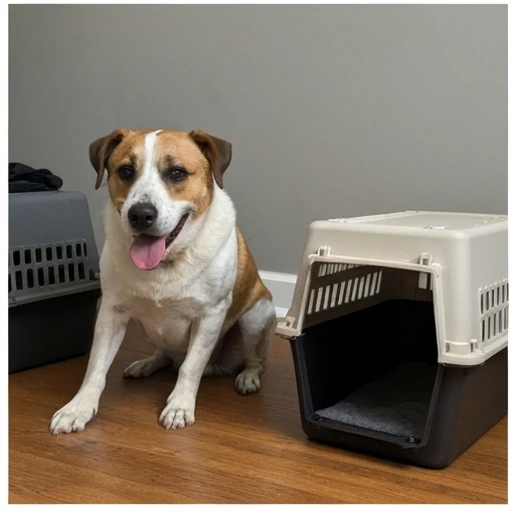
- Crate appropriately sized for a Collie (large or extra-large)
- Dog bed or blankets
- Basic grooming supplies
- Enzymatic cleaner for accidents
- Baby gates if you need to section off areas
Identify a veterinarian before the dog arrives. Schedule a wellness check within the first week to establish care and review the medical records the rescue provides. If you are still deciding between rescue and breeder, our honest comparison guide can help with that decision.
Continue Preparing for Your Rescue Collie
- The First 90 Days - What to expect as your dog settles in
- Finding Rescue Organizations - Locating reputable rescues if you have not applied yet
- Success Stories - Real adoption experiences from other families
- The Herding Gene - Genetic considerations for your new Collie